Preliminary Ecology Appraisal
October 2021
A PEA was conducted across the whole of the scheme, covering both on-track and off-track areas to identify any potential ecological constraints associated with protected species and habitats.


Cura Terrae Land and Nature has supported VolkerRailStory on the Hope Valley Railway Upgrade, a major Network Rail project between Manchester and Sheffield designed to increase capacity on the line and improve journey times between Manchester and Sheffield. The £80m scheme involved significant works like doubling the track at Dore & Totley and creating a new loop between Bamford and Hathersage, an accessible platform at Dore & Totley station, plus a new passing loop at Bamford. Much of the project is being delivered within the Peak District National Park, meaning there are specific environmental challenges which our team was central to managing.
The pre-construction and design work was completed to ensure that the scheme discharged all of the planning conditions set out in the Transport and Works Acts order for the scheme.
A PEA was conducted across the whole of the scheme, covering both on-track and off-track areas to identify any potential ecological constraints associated with protected species and habitats.
The BNG target on this project was a contractual one set by Network Rail.

The Ecological Management Plan identified ecological mitigation measures to be implemented on the project alongside ecological enhancements as part of the habitat creation and delivery of the BNG target.

We conducted a PBRA and nocturnal survey which confirmed the presence of common pipistrelle bat roosts at two bridges. A precautionary method of work was prepared to enable the work on the bridges under the supervision of a bat-licenced ecologist, ensuring the roost was protected.
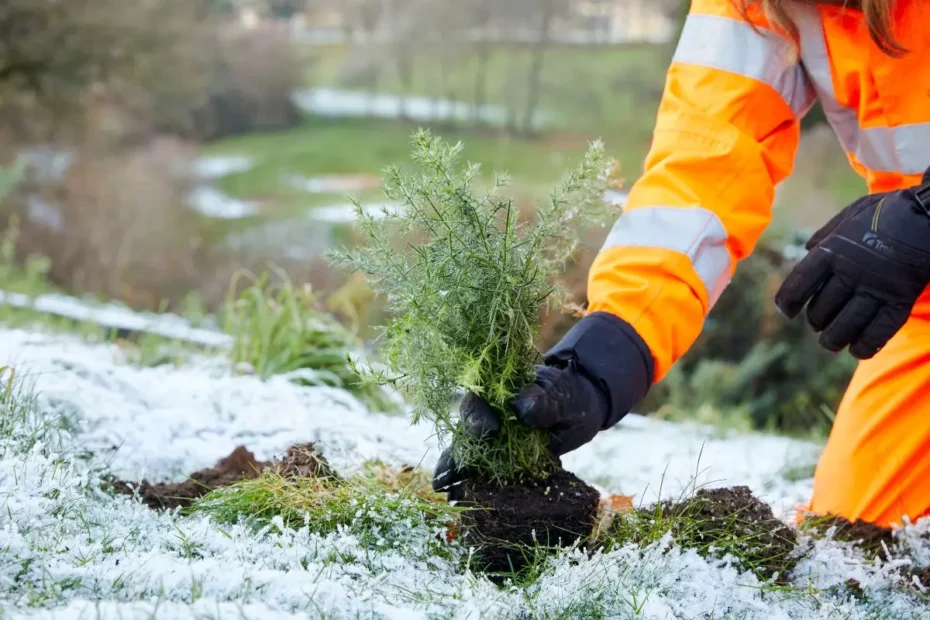
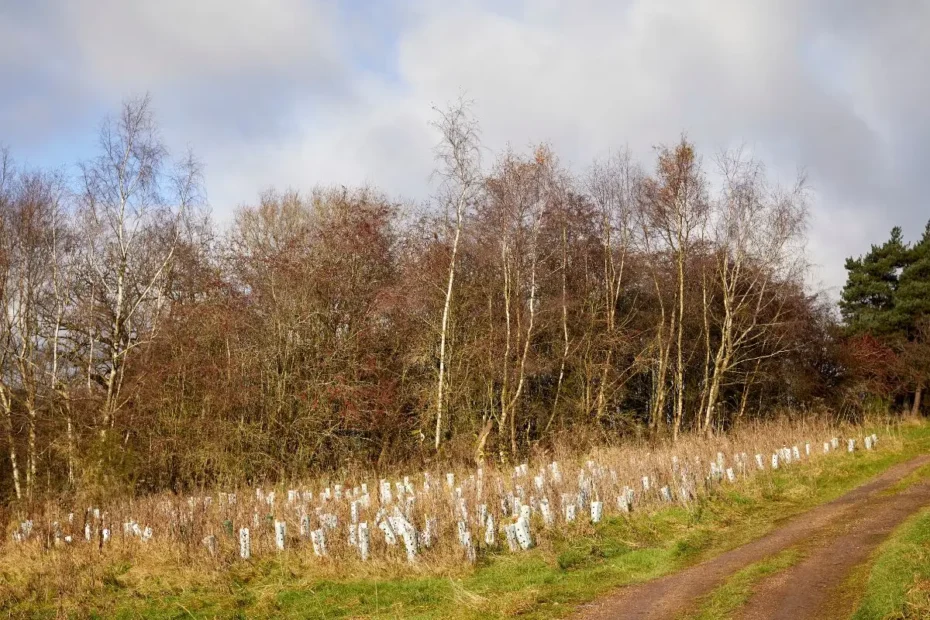
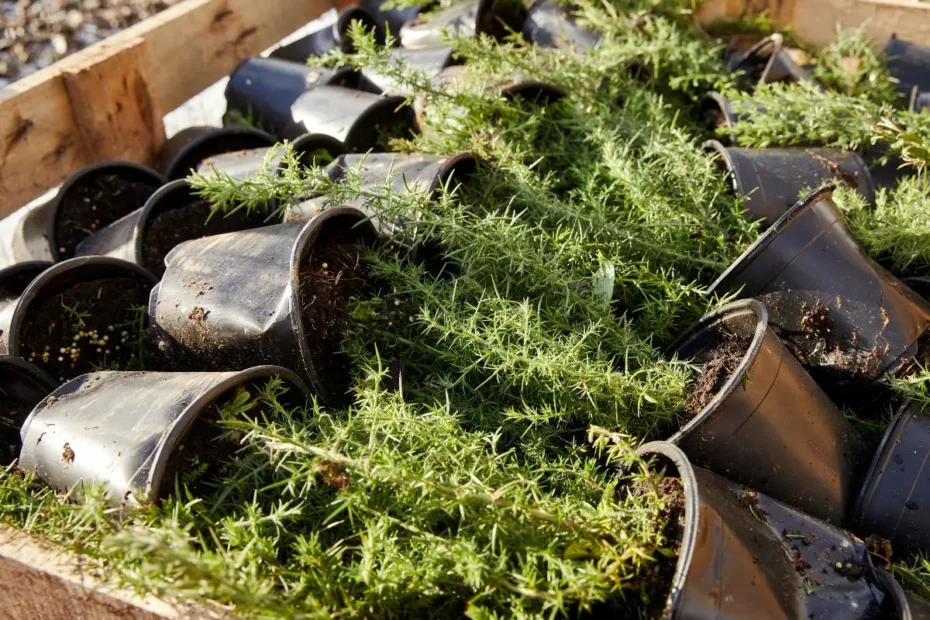


As part of Biodiversity Net Gain for this project, Cura Terrae began the habitat creation by planting 9,000 trees and shrubs at Sickleholme golf course, which is adjacent to the works at Bamford. Subsequently, we completed a similar scheme at a woodland in Dore. Overall, we have achieved c.30% net gain.

We found a number of badger setts in close proximity to the work that was due to take place. This required us to monitor the setts to establish the level of activity and the scale of the potential impact.

Our Arboriculture team updated the existing Arboricultural Impact Assessment to provide a tree and root protection plan to minimise the impact of the works at Bamford and Dore.

A desk based assessment was produced to gauge the archaeological scope of works. This resulted in Cura Terrae undertaking an archaeological watching brief during the initial soil strip at the main project compound. Cura Terrae also conducted a historic building recording of several Totley signal boxes, dating back to the Victorian era.

The Landscape Management Plan, including the detailed landscape designs for the completed scheme, ensured that the landscape mitigation measures were properly implemented and provided an appropriate landscape and visually appealing scheme. It was also produced to support the delivery of the habitat creation for Biodiversity Net Gain.

Work was able to proceed around some setts under a precautionary method of work developed by Cura Terrae ecologists. Some setts had to be closed under the terms of a licence granted by Natural England. Under the licence we were required to monitor the closed badger sett for the duration of the works, as well as provide ECoW during specific construction activities.

During the initial ecology surveys a number of ponds were identified as having the potential to support great created newt. To enable the work to proceed lawfully, our ecologists applied for and obtained a District Level Licence from Natural England on behalf of the client.
In the construction phase of this project we make sure all the work being completed is in-line with the management plans, which were designed during pre-construction and design.

Under the licence granted by Natural England we were required to monitor the closed badger sett for the duration of the works, as well as provide ECoW during specific construction activities.

Throughout the construction of the project Cura Terrae’s ecologists have worked with the team to manage the works, to help mitigate the potential impact on species on badgers, bats, great crested newt and nesting birds.

Due to the location of the access for one of the site compounds, our Habitats team translocated a short stretch of hedgerow in response to concerns raised by local residents. This mean that existing hedge was retained and subsequently reinstated to its original position.

As part of community engagement, Cura Terrae invited students from local schools to visit the site and learn about a career in the environmental sector and why it is so important. Cura Terrae also hosted training on Great Crested Newts and Badgers for the VolkerRailStory team.

During our initial surveys, we found bat roosts at Bridge DWS/02 in Dore and Bridge MAS/04 in Bamford. In order to ensure the roosts were protected during the works our ecologists developed Reasonable Avoidance Method Statements (RAMS) under which the works were able to proceed.

Works across the scheme had the potential to impact a number of historic structures, including culverts and bridges. Our Heritage team undertook a Historic Buildings Survey of Victorian era bridges and culverts. The results were archived with the Derbyshire Record Office, with a copy of the report sent to the Derbyshire Historic Environment Record.

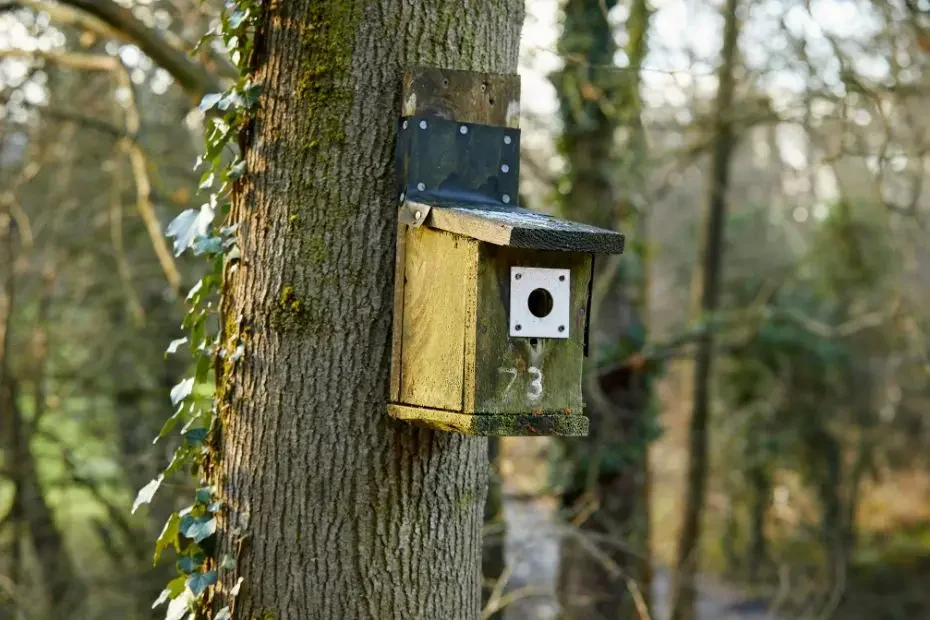
During the winter of 2023/2024 our Habitats team continued the habitat creation to deliver the BNG target for the project. This again involved extensive tree planting, the creation of species rich grassland, wildflower meadows and the planting of new hedgerows. We also installed bird and bat boxes in the woodlands adjacent to the scheme.

Cura Terrae conducted a fish rescue in the River Sheaf, which has a population of brown trout, to enable the strengthening of a bridge abutment. With a temporary coffer dam and the area de-watered, our ecologists rescued any fish that were found within the dam and moved them back into the river.
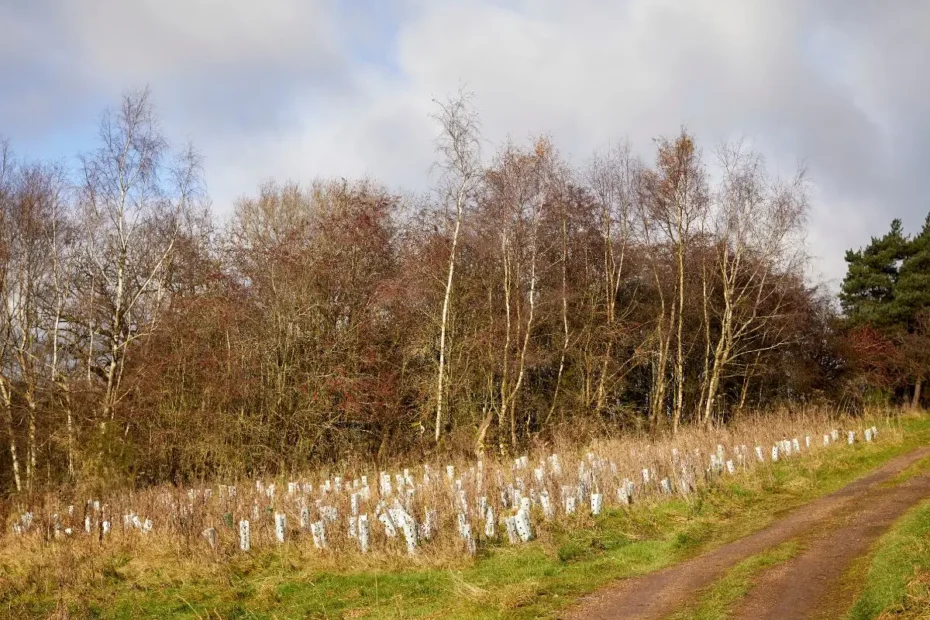

During the winter of 2024 and through 2025, our Habitats team continued the habitat creation to deliver the BNG target for the project. This final aspect of the scheme meant that we have planted more than 50,000 trees and >1.5 km of new hedgerows, as well several hectares of new species rich grassland and wildflower meadow to compensate for habitat loss on the scheme.

Following the completion of the engineering works, the badger setts which we had previously closed were reopened under the terms of the licence obtained from Natural England.